Builder Incentives: Look Beyond the Headline
$15,000 toward closing costs. A below-market mortgage rate. Special financing when you use the builder’s preferred lender.
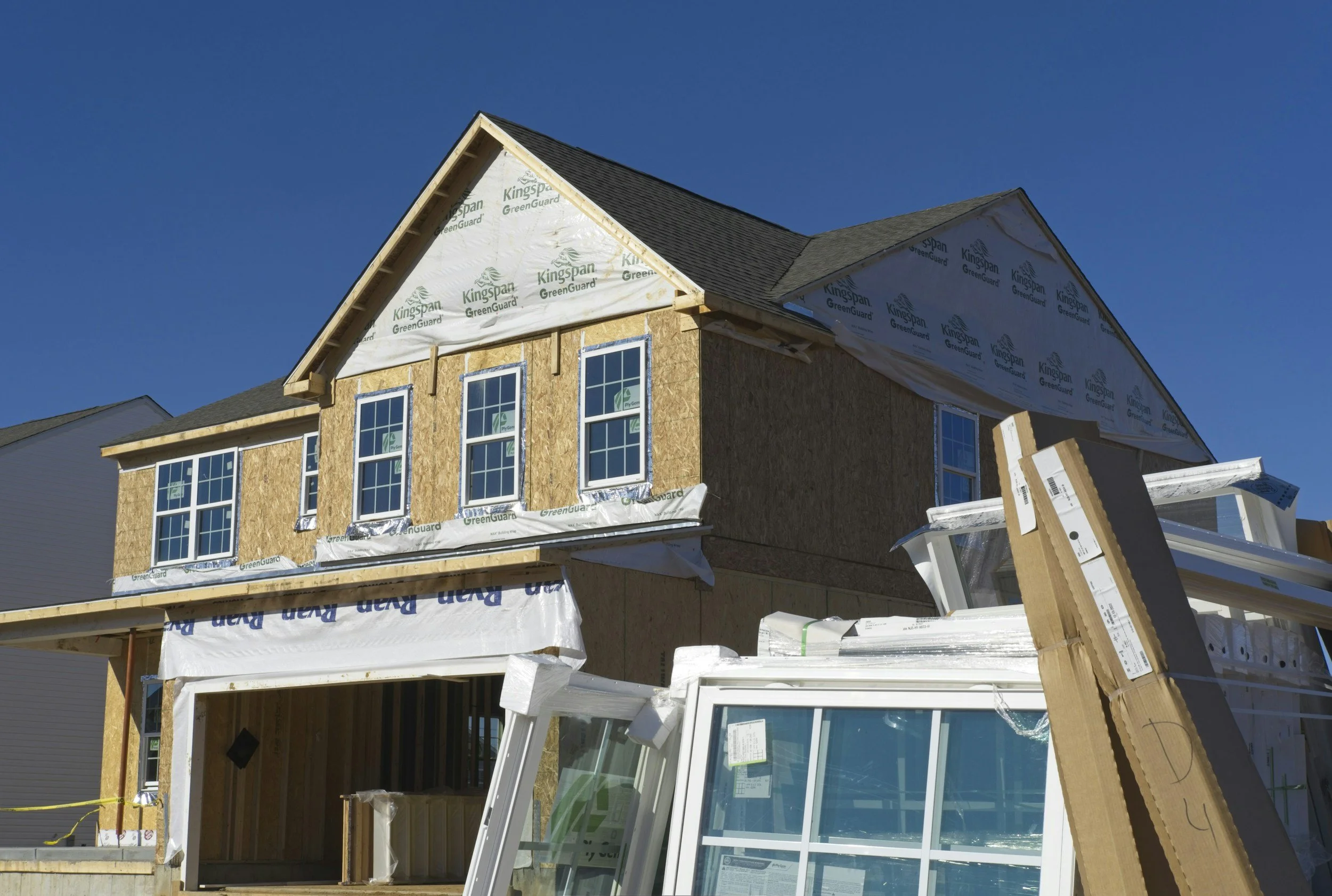
If you’re shopping for a new construction home, you may encounter some very attractive builder incentives.
And make no mistake—these incentives can provide real value. In many cases, the builder’s financing package may ultimately be the best option available to the buyer.
The important part is understanding the complete offer and how the available dollars are being used.
Instead of simply asking:
“How much is the builder giving me?”
Consider asking:
“How is the incentive being used, what am I paying for the financing, and which option provides the most value for my situation?”
A Real-World Example
I recently spoke with a buyer purchasing a new construction home. Their approximate financing looked like this:
Loan amount: $300,000
Down payment: 10%
Loan: 7/1 ARM
Interest rate: 4.625%
Builder incentive: approximately $17,000
Discount points: more than 3 points
At first glance, a 4.625% rate combined with $17,000 in builder incentives sounds exceptional.
And it may very well be an excellent financing package.
But there’s another number worth understanding: more than 3 discount points.
One discount point equals 1% of the loan amount. On a $300,000 mortgage, 3 points equals $9,000. So in this example, a substantial amount is being spent to obtain that 4.625% interest rate.
That doesn’t make the offer good or bad. It simply means the buyer should understand the complete transaction and how the available incentive is being allocated.
Why Can Builders Offer Such Low Rates?
You may see a builder advertising a mortgage rate substantially below rates available in the broader market.
How?
In some cases, the builder is subsidizing the financing to make a particular home or group of homes more attractive to buyers. This can be especially useful for inventory homes that are completed or nearing completion.
Builders may also provide money that can be used toward discount points, closing costs or other permitted expenses.
That can create a tremendous opportunity for a buyer.
The key is recognizing that the advertised interest rate is only one part of the financing package.
What Does It Cost to Get That Rate?
This is one of the most important questions to ask.
Suppose one financing option offers a significantly below-market interest rate but requires several discount points. Another option offers a somewhat higher rate but requires substantially fewer points.
Which is better?
It depends.
Paying points to permanently lower your interest rate can make excellent financial sense—particularly if you expect to keep the mortgage for a long time.
But if you sell the home or refinance several years later, you may not have had enough time to recover the upfront cost through the monthly payment savings.
That’s why the break-even period matters.
The lowest rate isn't automatically the best financing decision if obtaining that rate requires a significant upfront expense.
How Is the Builder Incentive Being Used?
This is where buyers should look beyond the headline number.
If a builder is offering $17,000, for example, those dollars may potentially be used for different purposes depending on the builder, lender, loan program and terms of the incentive.
Some may go toward:
Discount points to permanently lower the interest rate
Other allowable closing costs and prepaid expenses
A temporary interest-rate buydown
A combination of these expenses
There are limits on seller and interested-party contributions depending on the loan program, down payment and transaction, so not every option will be available in every situation.
The objective isn't necessarily to use the least amount toward the interest rate.
It's to determine the most effective use of the dollars that are available.
Could a Temporary Buydown Make Sense?
A temporary buydown may also be worth considering.
Instead of spending a large amount upfront to permanently reduce the interest rate, a temporary buydown uses funds to reduce the borrower's effective payment during the first year or several years of the mortgage.
For example, a 2-1 buydown generally provides a payment based on a rate 2 percentage points below the note rate during the first year and 1 percentage point below it during the second year. Beginning in year three, the borrower makes the payment based on the full note rate.
For some buyers, that initial payment relief may be more valuable than using all of the available funds for permanent discount points.
For others, a permanent rate reduction may clearly be the better choice.
Again, there isn't one answer that works for everyone.
What About the Builder’s Preferred Lender?
Builder incentives are frequently tied to using the builder’s preferred or affiliated lender.
That doesn't mean you should automatically avoid the builder's lender. In fact, when you factor in a substantial builder incentive, their financing package may be difficult—or impossible—for an outside lender to beat.
But it also doesn't mean you shouldn't understand the numbers.
An outside lender may offer different pricing but won't necessarily have access to the builder's incentive. Conversely, the builder's lender may be able to combine its financing with thousands of dollars in builder assistance.
That's why comparing only interest rates can be misleading.
Compare the complete transaction.
Look at the Whole Package
When evaluating a builder financing offer, consider the combination of:
Purchase price + builder incentive + interest rate + discount points + closing costs + cash to close + monthly payment + expected time in the mortgage.
And then ask:
How can the available incentive provide the most value for my particular situation?
Sometimes the answer will be the builder's heavily subsidized rate.
Sometimes it may be a higher rate with fewer points and more of the incentive applied toward other closing costs.
Sometimes a temporary buydown may deserve consideration.
And sometimes an outside financing option may provide an alternative worth comparing.
The purpose isn't to avoid builder incentives or preferred lenders. Builder incentives can be extremely valuable.
The goal is simply to understand what you're being offered.
Before You Decide
If you're considering a new construction home with a substantial builder incentive, ask for the details of the financing options—not just the advertised rate.
Find out:
What does it cost to obtain the rate? Where is the builder incentive being applied? Are there other ways it can be used? How long do you expect to keep the mortgage?
Then compare the alternatives.
The biggest incentive or lowest advertised rate isn't automatically the best deal. The best financing package is the one that provides the most value for your particular situation.