Solar Panels and Real Estate: What Buyers and Sellers Need to Know
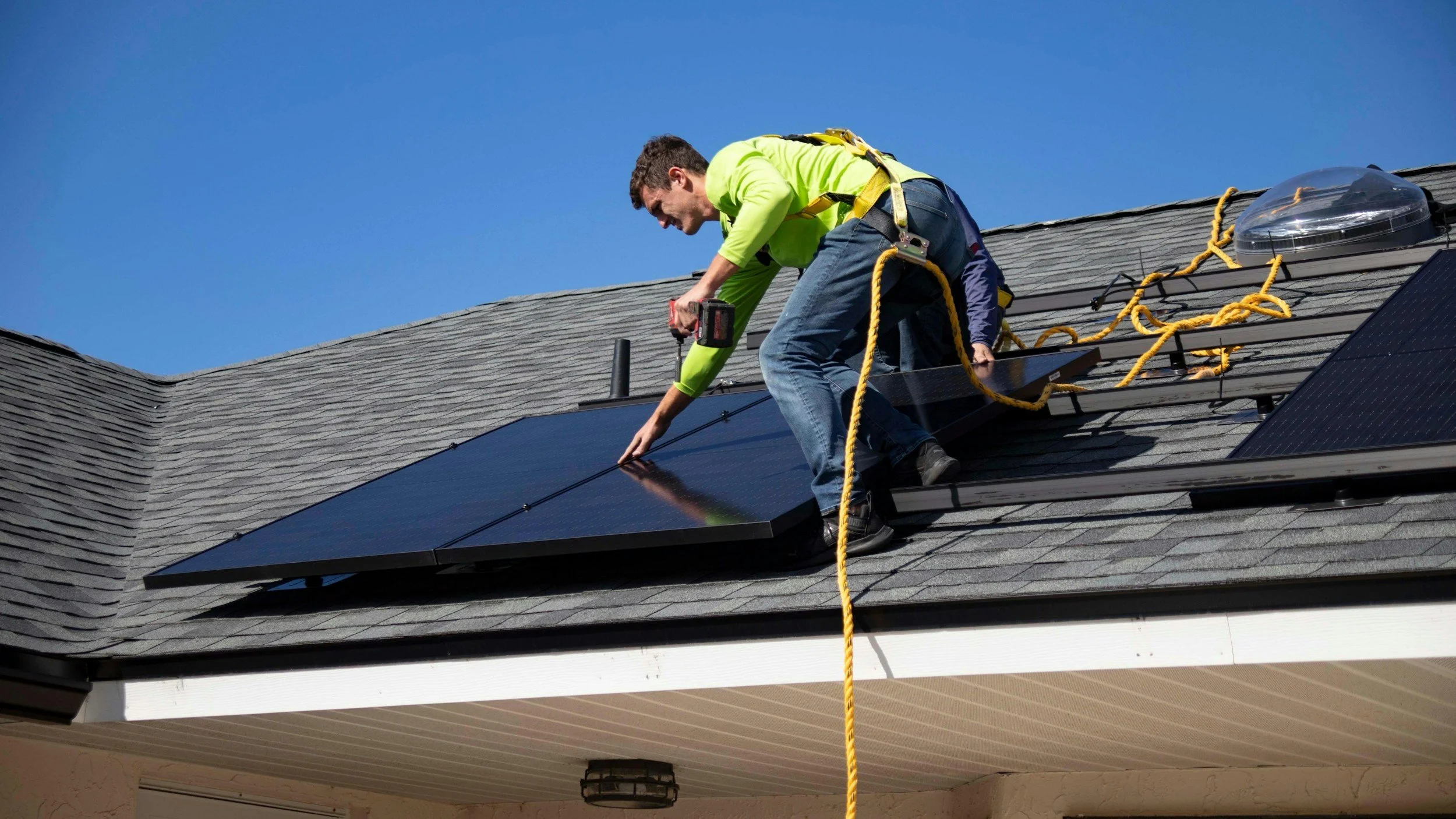
Solar energy can offer benefits, but understanding the financial obligations is just as important as understanding the potential savings.
As sustainability becomes an increasingly important consideration in housing, solar panels are receiving more attention from homeowners and prospective buyers.
While solar energy may help reduce utility expenses and offer environmental benefits, there are important financial and real estate considerations that are sometimes overlooked.
One of the biggest questions is not simply whether a home has solar panels, but who owns them and how they were financed.
1. Not All Solar Panel Arrangements Are the Same
Solar panels generally fall into several categories:
Owned outright: The homeowner owns the system with no outstanding financing obligation.
Financed: The homeowner purchased the system using a loan that may still have an outstanding balance.
Leased: A third party owns the panels, and the homeowner makes payments under a lease agreement.
Power Purchase Agreement (PPA): A third party owns the system, and the homeowner purchases the electricity it generates under an agreement.
These distinctions can significantly affect buying, selling, or refinancing a home.
2. Solar Panels and Mortgage Financing
Mortgage lenders must determine whether solar panels are owned, financed, or leased.
Depending on the arrangement, there may be additional considerations involving:
Debt-to-income ratios: Certain solar loan or lease payments must be included when determining mortgage qualification.
Liens and UCC filings: Solar financing may create a security interest in the equipment or, in some cases, an interest affecting the real estate.
Loan approval: Lenders may need to review financing documents, lease agreements, and title information before approving the mortgage.
Not all solar financing arrangements create the same challenges. However, identifying these obligations early can help prevent delays or unexpected complications at closing.
3. Do Solar Panels Increase Property Value?
Possibly, but not necessarily by the amount invested in the system.
Owned solar panels may contribute to a home's appraised value, depending on market conditions and comparable sales.
However, leased systems and systems subject to certain financing arrangements generally cannot be included in the appraised value for conventional mortgage purposes.
A $30,000 solar installation does not automatically translate into a $30,000 increase in property value.
Buyers and homeowners should consider both potential energy savings and the market's willingness to pay for the improvements.
4. Before Installing Solar Panels: Look Beyond the Monthly Payment
For homeowners considering solar panels, the decision should involve more than comparing a monthly solar payment to the current electricity bill.
There are several important financial considerations:
Total installation cost: Understand the full cost of the system, including equipment, installation, financing charges, and any applicable incentives.
Financing terms: A low monthly payment may seem attractive, but interest rates, loan terms, and financing fees can significantly affect the total cost.
Actual energy savings: Projected savings depend on electricity usage, utility rates, system performance, and local utility policies. Solar panels do not necessarily eliminate the monthly electric bill.
Tax incentives: Federal, state, and local incentives can change. Verify current eligibility rather than relying solely on savings projections provided by an installer.
Length of homeownership: How long do you expect to remain in the home? Selling before realizing the projected savings could change the financial outcome.
Long-term expenses: Roof repairs, equipment maintenance, inverter replacement, and possible panel removal and reinstallation should be considered.
The important comparison is the total cost of the investment versus realistic long-term savings, not simply whether the monthly payment appears affordable.
A system that makes financial sense for someone planning to remain in their home for 20 years may look quite different for someone expecting to sell in three to five years.
5. Selling a Home With Solar Panels
This is where understanding the original agreement becomes particularly important.
If the panels are financed, the seller may need to address the outstanding balance or an associated lien.
If the panels are leased, the buyer may need to qualify for and agree to assume the existing lease, subject to its terms.
Questions worth asking include:
Is there an outstanding balance?
Can the agreement be transferred to a new owner?
Are there transfer fees or other conditions?
Will the buyer's mortgage lender accept the arrangement?
Who is responsible for maintenance, repairs, and removal?
These questions are best addressed before a home is listed or a purchase contract is signed.
6. Insurance, Maintenance, and Long-Term Costs
Solar panels are a long-term investment, and homeowners should understand more than the initial installation costs.
Important considerations include roof condition and remaining useful life, insurance coverage, maintenance responsibilities, and the potential cost of removing and reinstalling panels if roof repairs become necessary.
Homeowners should also confirm who is responsible for damage involving the system and whether any warranties or service agreements transfer to a new owner.
The Bottom Line
Solar panels can offer meaningful benefits, including potential energy savings and reduced reliance on traditional electricity sources. But like any significant home improvement, the financial details deserve careful consideration.
For homeowners considering installation, evaluate the total investment, financing terms, realistic savings, and future resale implications.
For buyers and sellers, the most important step is simple:
Identify the solar panel ownership and financing arrangements early in the transaction.
A little preparation can help avoid financing complications, closing delays, and unexpected expenses.
At 7 Locks Lending, we believe understanding the details of a real estate transaction helps buyers and homeowners make better-informed financial decisions.